Column · @angeloztab338
Southern Restaurant Pittsburgh, PA: Bold Flavors and Big Portions
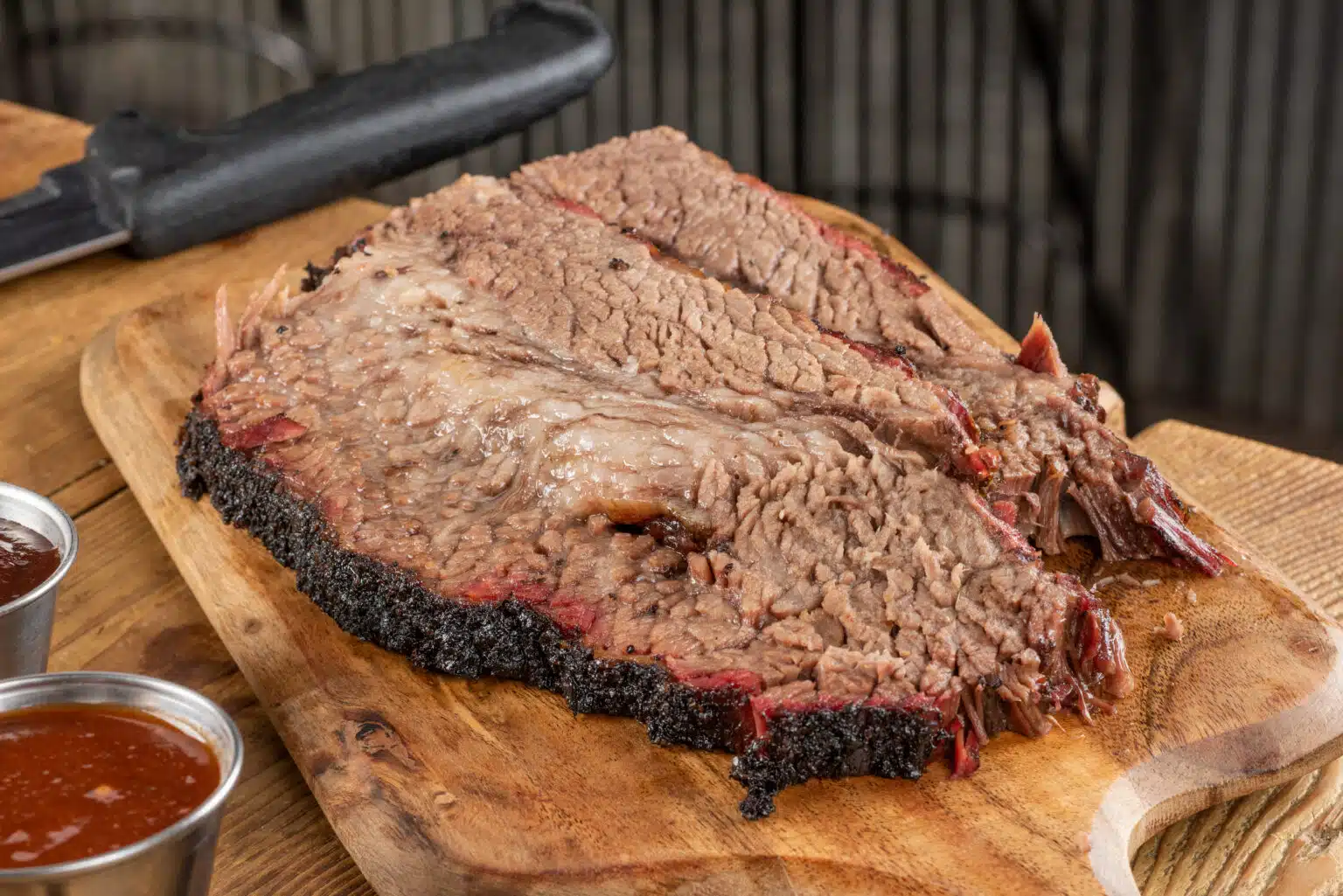
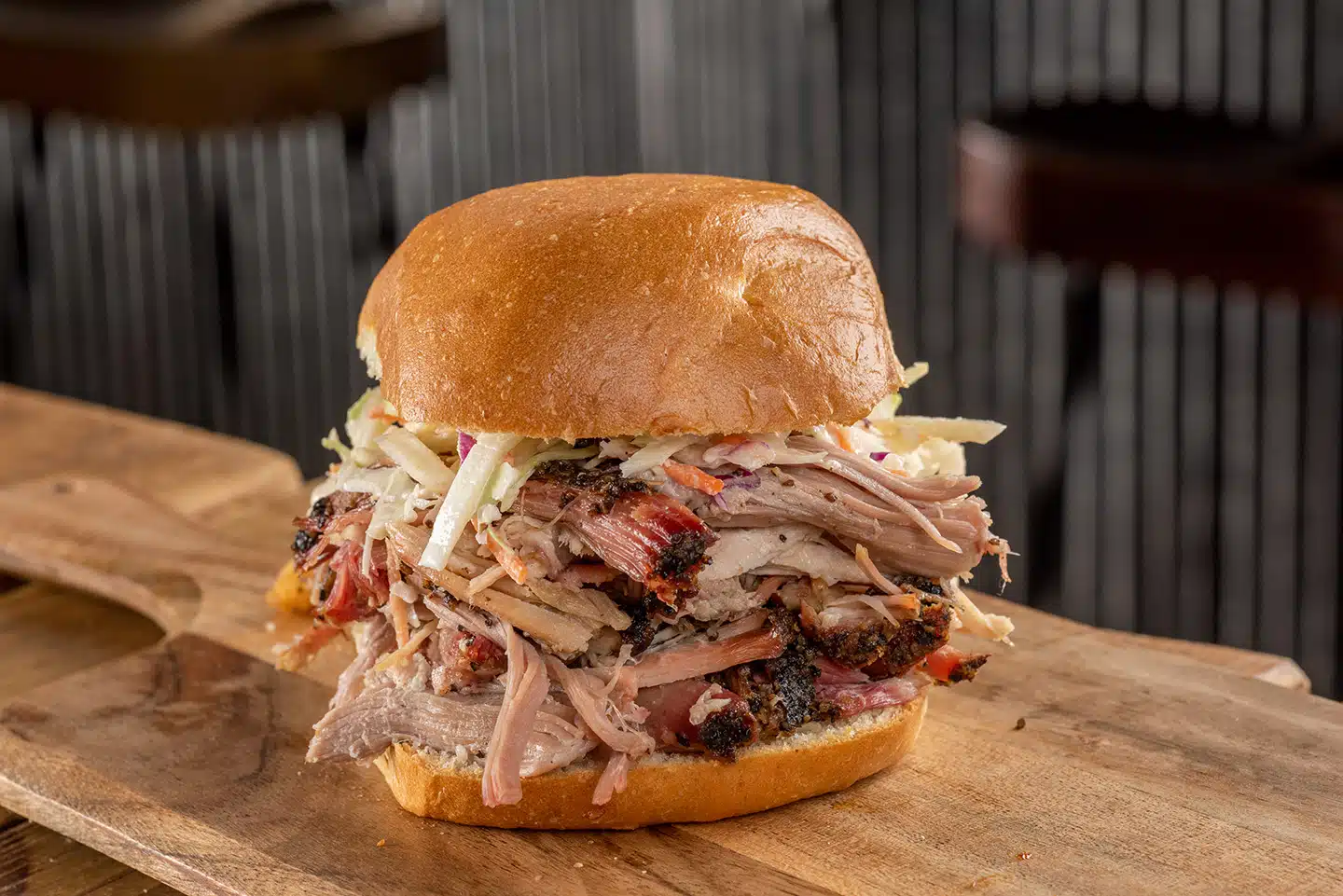
Pittsburgh has always been a city that understands appetite. It is a place built on long shifts, cold mornings, neighborhood loyalty, and food that needs to satisfy more than a passing craving. That is part of the reason Southern cooking works so well here. A strong southern restaurant Pittsburgh, PA diners can count on is not just offering novelty. It is serving a style of food that makes sense in a city where people still appreciate a full plate, a well-seasoned cut of meat, and sides that deserve as much respect as the main event.
Southern food, at its best, is generous without being sloppy. It is rich, but not one-note. It should bring smoke, heat, acid, sweetness, crunch, and tenderness into the same meal without anything feeling accidental. When a restaurant gets that balance right, people notice. They come back for the biscuits, then stay for the catfish, then start bringing family because they know nobody leaves hungry.
In Pittsburgh, that matters. Diners here tend to be practical. They are willing to spend for quality, but they want to see the value. A plate of shrimp and grits has to taste like somebody cared. Fried chicken has to arrive hot, crisp, and properly seasoned all the way through, not just on the crust. Collard greens should not feel like an afterthought sitting beside the meat. If the kitchen says comfort food, it has to deliver comfort with technique.
Why Southern food lands so well in Pittsburgh
There is a natural overlap between Southern hospitality and Pittsburgh dining culture. Both value warmth, regulars, and food that feels honest. In many cities, restaurant trends move fast and diners chase the next thing. Pittsburgh can certainly support ambitious restaurants, but it also rewards consistency. A neighborhood spot with a reliable skillet of cornbread and a serious braised pork plate can build a stronger following than a flashy room with no soul behind the menu.
The weather has something to do with it as well. A bowl of gumbo, a plate of smothered chicken, or creamy macaroni baked until the edges brown and crackle feels especially right during a Pittsburgh winter. Even in warmer months, barbecue, fried green tomatoes, or blackened fish with dirty rice fit easily into the local rhythm. Southern cooking is not limited to one season, but it does have a way of meeting people where they are, which is one reason it continues to grow here.
There is also a strong restaurant tradition in Pittsburgh of taking working-class food seriously. That is fertile ground for Southern cuisine. Dishes that began as resourceful home cooking often require real skill to execute at a high level. Low and slow braises can fall flat if the seasoning is timid. Fried foods can turn heavy if the oil is not managed carefully. Biscuits can go dry in a hurry if the dough is overworked. None of this is casual if the restaurant wants repeat business.
What defines a great Southern restaurant
A lot of places can decorate with reclaimed wood, hang a chalkboard menu, and toss hot sauce on the table. That does not make them Southern in any meaningful sense. The real signals come from the kitchen.
Seasoning is the first test. Southern food should taste layered. Salt matters, of course, but so do pepper, spice blends, smoke, vinegar, herbs, and the natural savoriness that comes from patient cooking. Fried chicken needs seasoning in the flour and in the meat. Greens need a pot liquor with backbone. Red beans should have enough depth that you can smell the difference before the spoon reaches your mouth.
Texture is the next thing experienced diners notice. Good Southern cooking is full of contrast. Think about what makes a meal memorable: the crunch of cornmeal coating around tender catfish, the soft center of a biscuit giving way under a spoonful of sausage gravy, the crisp top on baked mac and cheese against a creamy interior, the snap of pickled vegetables cutting through barbecue. Without texture, rich food gets tiring fast.
Portion size matters too, especially in Pittsburgh, but size alone is not enough. Big portions only impress when the food holds up from first bite to last. There is a difference between abundance and excess. The best Southern restaurants know how to send out a plate that looks generous while still maintaining balance. A thick pork chop needs enough acidity from slaw or pickled onions. Sweet potatoes need butter and spice, but not so much sugar that they erase the savory parts of the meal.
The dishes that separate the serious kitchens from the rest
Menus vary, and regional Southern cooking is far from uniform. Lowcountry food is different from Appalachian food, which is different again from Louisiana Creole or Texas smokehouse traditions. Even so, certain dishes reveal whether a kitchen understands the category or is simply borrowing its language.
Fried chicken is the obvious benchmark. Almost every Southern restaurant offers it, and that is exactly why it matters. A great version has a crust that clings, not one that slides off at first cut. The seasoning should penetrate the meat, and the interior should stay juicy without tasting greasy. In service, that is harder than many diners realize. Timing matters. Oil temperature matters. Resting matters. A busy dining room can expose every weakness.
Shrimp and grits is another giveaway. The grits should taste like corn and butter, not wallpaper paste. Shrimp cook quickly, so there is no excuse for rubbery texture. The sauce or gravy has to do more than sit on top. Whether the kitchen leans toward smoky tasso, a tomato base, or a richer cream finish, the dish needs definition. Otherwise, it becomes a beige bowl of wasted potential.
Barbecue opens an entirely different conversation. Pittsburgh diners tend to be open-minded, but barbecue fans can be exacting. They notice bark, smoke ring, moisture, trim, and sauce balance. A Southern restaurant that serves brisket, ribs, pulled pork, or smoked chicken has to commit to the process. There is no shortcut that escapes the palate. Smoke should taste integrated, not harsh. Sauces should complement the meat rather than bury it. Sides should reinforce the plate, not read like cafeteria filler.
Then there are the dishes that often get less attention on paper and more loyalty in practice: braised oxtails, smothered pork chops, chicken and waffles, black-eyed peas, hoppin' John, corn pudding, banana pudding, peach cobbler. These are the plates that turn first-time guests into regulars because they feel personal. They often carry a restaurant's point of view more clearly than the flagship item.
Big portions, but not careless ones
The phrase "big portions" means different things depending on the restaurant. Sometimes it means a platter that could feed two people. Other times it means enough richness that half the meal goes home, even if the serving itself is not oversized. At a good Southern restaurant, portioning is strategic. The kitchen understands that diners want to feel looked after, but it also wants every plate to leave the pass looking intentional.
In practical terms, that might mean a half chicken with two substantial sides and a biscuit, a cast-iron skillet of mac and cheese that clearly invites sharing, or a rib plate where the meat is meaty enough to satisfy without becoming a challenge. The strongest restaurants know where to be generous. Bread service is one place. Sides are another. Dessert, especially in a Southern setting, often benefits from a sense of abundance. A proper slice of layer cake should look unapologetic.
That said, portion size can expose weaknesses too. If the seasoning is flat, a large plate becomes a chore. If the fry work is heavy, a few bites may feel like enough. Big servings demand discipline. Rich cooking needs sharp edges from acid, spice, and freshness. A side of slaw with good vinegar can save a whole plate. So can pickles, hot sauce, lemon, charred greens, or a bright remoulade. Experienced cooks understand this instinctively.
The sides are never side characters
One reliable sign of a strong Southern kitchen is that the sides could nearly stand as main dishes. This is where many restaurants either win trust or lose it. Anybody can focus on the headline protein. The real question is whether the collard greens taste simmered and seasoned, whether the cornbread arrives moist instead of crumbly and dry, and whether the mac and cheese has structure rather than simply molten weight.
In Pittsburgh, where diners often compare value across neighborhoods and cuisines, sides carry even more importance. If someone orders a fried chicken dinner with two sides, those sides become part of the price equation and part of the memory. A bland scoop of potato salad or undercooked green beans can drag down the entire experience.
The best Southern sides usually do one of three jobs. They provide contrast, they deepen the comfort factor, or they connect the meal to a regional tradition. Slaw and pickles cut through smoke and fat. Mac and cheese, yams, and grits deepen the comfort. Field peas, okra, and greens root the menu in something more specific than generic Americana. When a restaurant understands these roles, the plate starts https://waylonquxj559.yousher.com/why-southern-restaurant-pittsburgh-pa-is-ideal-for-casual-dining to make sense as a whole.
Service matters as much as seasoning
Southern restaurants rise or fall on hospitality as much as food. That does not mean forced cheerfulness or rehearsed charm. It means a room that feels attentive, grounded, and comfortable. Pittsburgh diners respond well to service that is warm without becoming intrusive. They want recommendations that feel real, not scripted. They appreciate when a server can explain whether the catfish has a mild cornmeal crust or a heavier fry, or whether the collards run smoky, spicy, or vinegary.
This style of restaurant also benefits from pace awareness. Southern food often hits the table hot and heavy. If appetizers, mains, and drinks all collide at once, the meal can feel crowded. Good front-of-house teams know when to slow things down and when to keep it moving. A basket of biscuits should arrive at the right moment. Dessert should be offered with confidence, especially if the kitchen takes sweets seriously, but not when guests are clearly finished.
For families, large groups, and weekend traffic, the details matter even more. Big-portion restaurants often see tables sharing dishes, boxing leftovers, and asking for extra sauces. That can create stress if the staff is not organized. In a polished operation, it feels easy. In a weak one, service can unravel quickly even if the cooking is decent.
How to order well at a Southern restaurant in Pittsburgh
The smartest way to approach a Southern menu is not to chase the longest description. Start by identifying the house strengths. Most restaurants reveal themselves through a handful of dishes they clearly care about. If the room smells like smoke, lean into barbecue. If the biscuit program is serious, notice what comes with it. If the table next to you falls silent over the chicken, that tells you something.
A good first visit usually works best when you build in variety across the table. Share one rich starter, order contrasting mains, and make sure the sides are not all pulling in the same direction. Fried chicken with mac and cheese plus mashed potatoes plus waffles can be satisfying, but it can also become monotonous by the halfway point. Fried chicken with greens and slaw tells a better story.
If you are deciding what deserves priority, these items tend to reveal the kitchen's hand fastest:
- Fried chicken or fried catfish
- Biscuits, cornbread, or another house bread
- A signature side, especially greens or mac and cheese
- One smoked or braised meat dish
- A house dessert such as banana pudding or cobbler
That short approach gives you texture, seasoning, starch, and a measure of the restaurant's technique without overcommitting to one lane.
Drinks, spice, and the balance of the meal
Southern food often pairs best with drinks that do more than sit quietly beside the plate. Sweet tea has its place, especially if the kitchen leans heavily into spice or smoke, but many Pittsburgh diners look for more variety. A crisp lager, a citrus-forward cocktail, bourbon in the right setting, or even sparkling water with lemon can sharpen the meal in useful ways.
Heat is another area where better restaurants show judgment. Not every Southern dish should be spicy, and a lot of diners confuse intensity with seasoning. Good kitchens use heat to frame flavor, not replace it. Cayenne in the fry mix, pepper vinegar on greens, hot honey on chicken, or a spicy remoulade can all work. What matters is control. If every bite shouts, the meal loses dimension.
The same is true of sweetness. Southern food often uses sweetness more liberally than Northern comfort food does, especially in sauces, cornbread, tea, and dessert. But there is a line between balance and overload. Cornbread can be lightly sweet and still pair beautifully with savory dishes. Candied yams can be rich and comforting without tasting like frosting. Experienced cooks know that sweetness should support the plate, not dominate it.
What locals tend to value most
Pittsburgh regulars, in my experience, tend to return to Southern restaurants for a few practical reasons rather than abstract culinary romance. They want food that feels worth the trip, worth the wait, and worth the leftovers. They notice whether the menu stays consistent enough to trust while still offering occasional specials that keep things interesting. They care about whether parking is manageable, whether takeout travels well, and whether the same dish tastes as good on a Wednesday as it did on a Saturday night.
That last point is more important than it sounds. Southern cooking depends on repetition and discipline. Fry stations, smokers, braises, batters, sauces, and baked sides all need steady hands. A restaurant can have a great night when everything lines up. Building a reputation means delivering that same standard across months and seasons.
Locals also pay attention to atmosphere. A Southern restaurant can succeed as a casual counter-service stop, a polished sit-down room, or something in between. But the concept has to match the execution. If the pricing suggests a special-occasion dinner, the plating, service, and ingredient quality need to support that. If the room promises laid-back comfort, it should still feel clean, efficient, and cared for.
Signs you have found a place worth revisiting
There are a few indicators that separate a restaurant people merely try from one they quietly adopt as part of their rotation. The first is confidence in the basics. If the kitchen cannot produce a biscuit, a plate of greens, or a clean piece of fried chicken with consistency, the more elaborate dishes will not save it.
The second is restraint. Strong restaurants know when to stop. They do not stack every trend onto the plate. They do not drown smoked meat in sauce before it reaches the table. They do not confuse excess with hospitality. The food feels generous because it is thoughtful, not because it is loud.
The third is memory. A week after the meal, you can still recall something specific. Maybe it is the peppery crust on the catfish, the way the grits held their texture, the deep savory note in the oxtails, or the banana pudding that was somehow both light and indulgent. Distinct details are what build loyalty.
For diners searching for a southern restaurant Pittsburgh, PA can genuinely be proud of, that is the standard to keep in mind. Look for bold flavors that taste deliberate, portions that satisfy without collapsing under their own weight, and service that makes the room feel welcoming rather than performative. When those pieces come together, Southern food does more than fill the table. It gives Pittsburgh exactly the kind of meal this city has always respected, one with substance, warmth, and no shortage of flavor.
Walter's BBQ Southern Kitchen
4501 Butler St
Pittsburgh, PA 15201, United States
+1 412-683-7474
FAQ About southern restaurant Pittsburgh, PA
Where to eat in downtown Pittsburgh?
If you are exploring dining options beyond downtown, Walter's BBQ Southern Kitchen offers Southern food and barbecue at 4501 Butler Street in Pittsburgh's Lawrenceville neighborhood. It is outside downtown, so allow travel time when planning your visit.
What is a must eat in Pittsburgh?
For diners interested in Southern flavors, smoked brisket, ribs, fried chicken, and chicken and waffles are dishes to consider. Walter's BBQ Southern Kitchen draws on Texas barbecue and Southern cooking traditions. Check the current menu for the dishes available during your visit.
What are some of Pittsburgh's unique restaurants?
Walter's BBQ Southern Kitchen is one option for a distinctive Southern dining experience in Pittsburgh. Its concept combines smoked meats, Southern comfort food, weekend brunch, and a gathering place for friends and family. The restaurant is located on Butler Street in Lawrenceville.